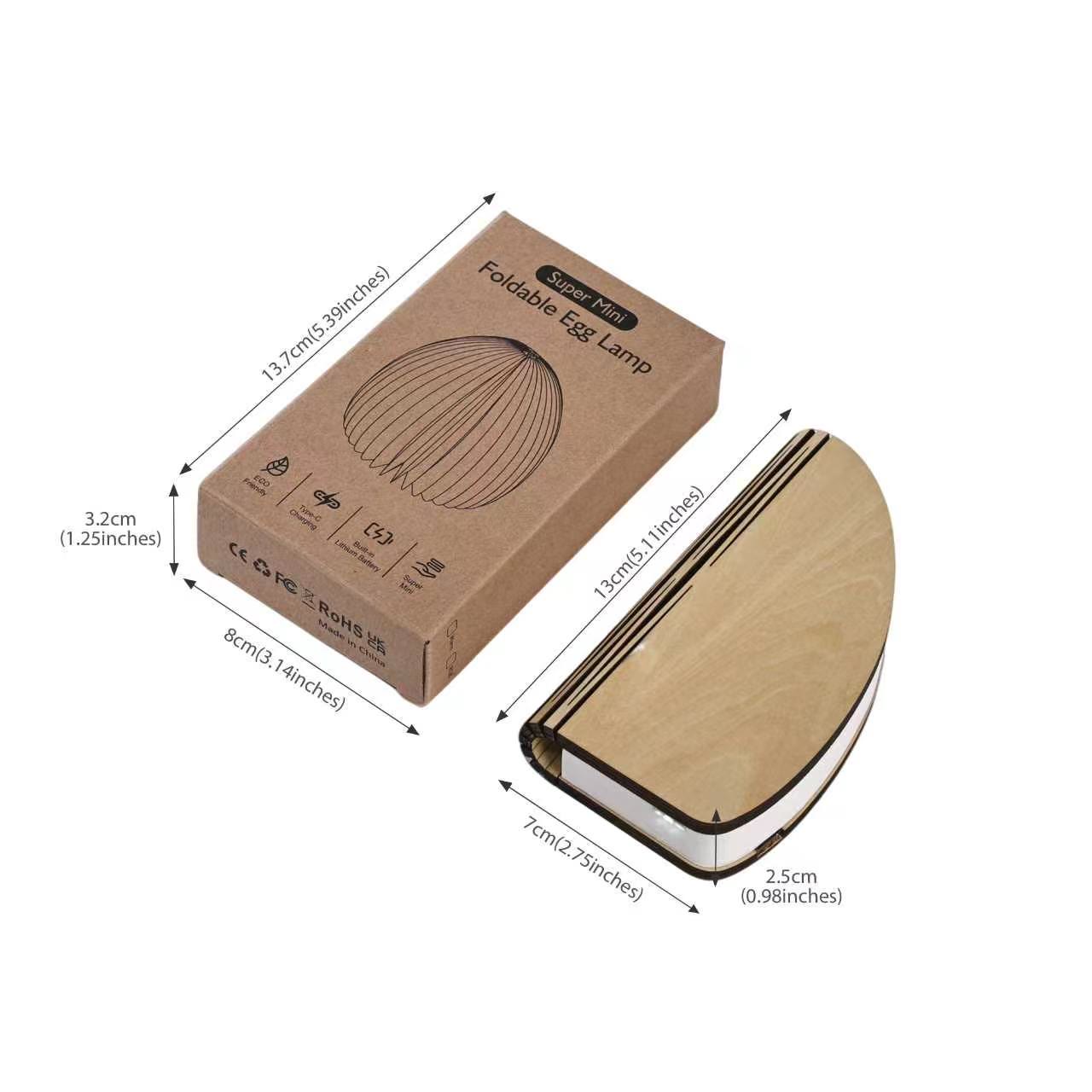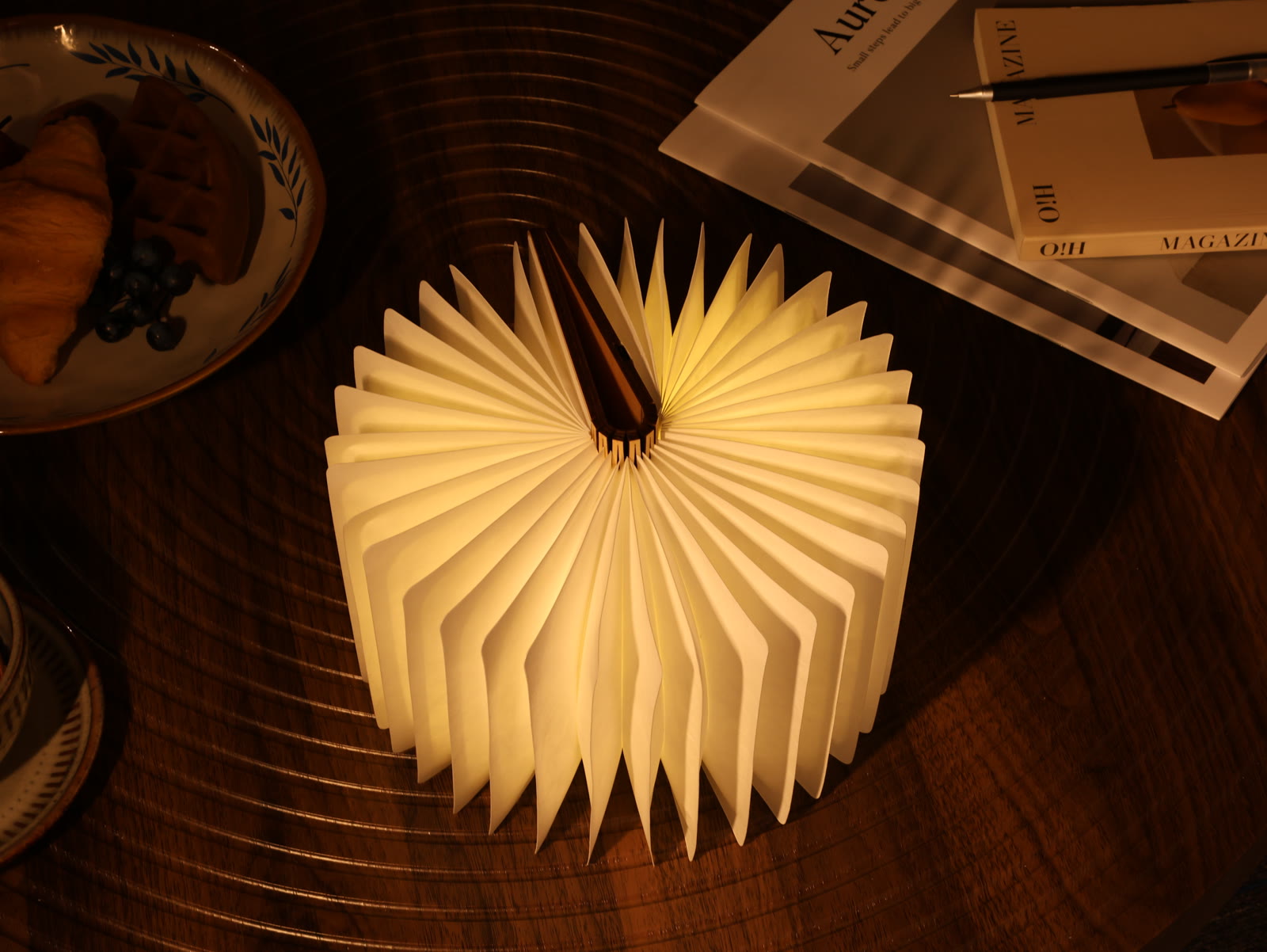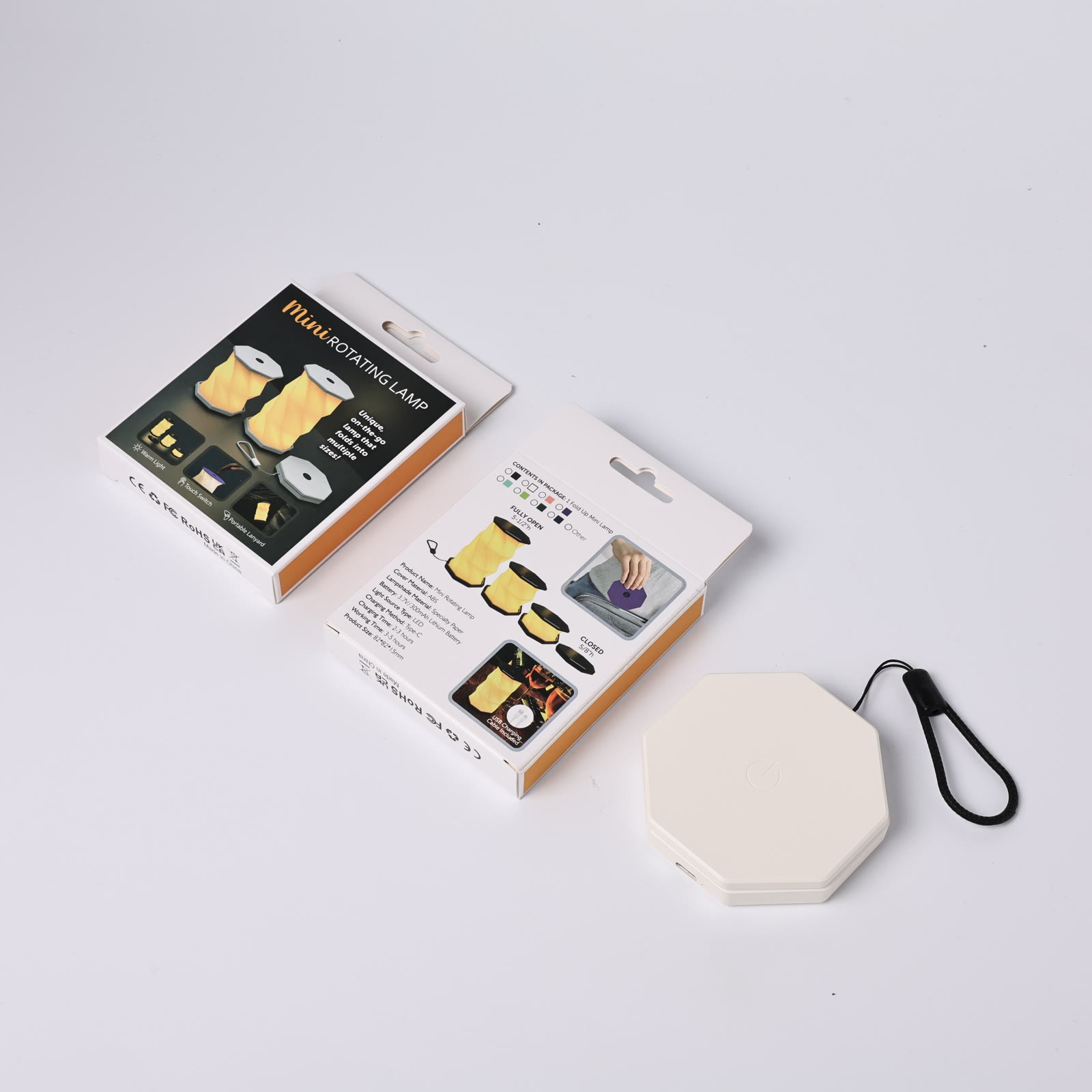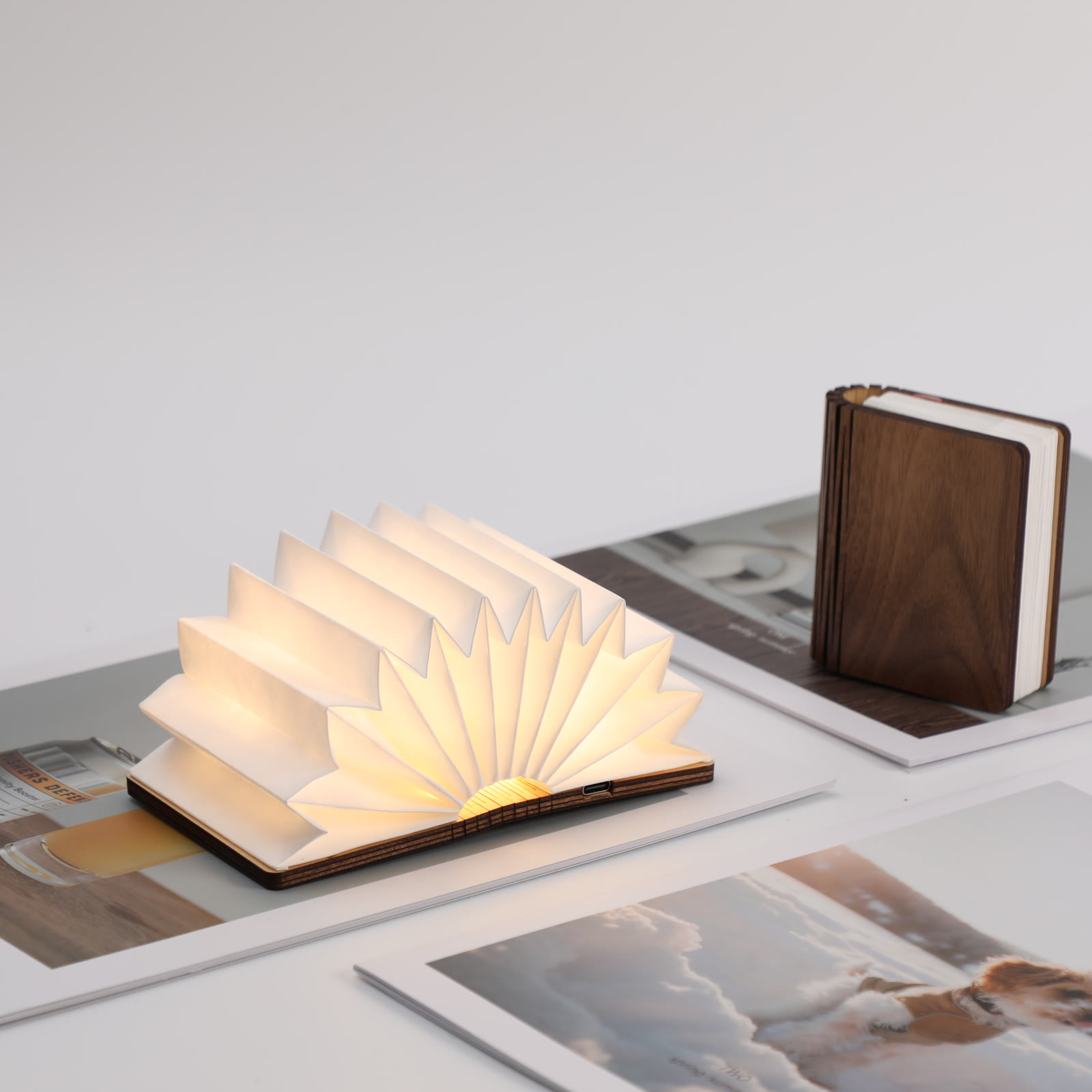
What real-world durability checks should I run on folding lamp samples to prevent torn pleats and weak magnets?
Practical factory-direct guide covering materials, customization options, MOQ planning, and delivery timelines for North America, Europe & Global brands.
Quick Answer
To prevent torn pleats and weak magnets before mass production, run five rapid bench checks on every folding lamp sample: a 200-cycle rapid fold test, a 360-degree inverted magnet hold, a 90-degree cover-peel check after 24 hours of humidity, a dark-room LED diffusion scan, and a USB-C port wiggle test.
At ZM Paper Lamp, we build these exact mechanical checks into our ISO 9001 workflow alongside 100% LED burn-in testing, keeping our bulk defect rate below 0.1%. Catching cheap paper stock, undersized ferrite magnets, or weak hot-melt glue at the golden sample stage protects your retail margins and prevents costly Amazon or store returns.
Bench Durability Test Matrix for Folding Lamp Samples
Use this five-point bench protocol the day your sample arrives. Each test takes minutes and requires only a warm damp room, a USB-C cable, and your hands.
| Test Check | Bench Method | Pass Benchmark | Common Defect & Root Cause |
|---|---|---|---|
| Pleat Tear & Crease | Open and close 200 times briskly | Zero corner rips; crisp spring-back | Whitened folds from brittle coated paper |
| 360° Magnetic Hold | Snap covers back-to-back; shake inverted | Holds full weight for 5+ seconds | Covers pop open; cheap ferrite magnets |
| Humid Bond Peel | 24h at ~80% RH; tug outer pleat | Tear-resistant bond; zero edge lift | Adhesive peels; low-grade EVA hot-melt |
| Light & Pleat Uniformity | Power on in dark room at 100% | Even warm glow; symmetrical ridges | Dark shadows; misaligned spine LEDs |
| USB-C & Switch Strain | Plug cable 20 times; tap switch | Firm port seating; instant response | Recessed port; unsupported PCB solder |
Testing Pleat Tear Resistance and Crease Recovery
Start by opening the lamp smoothly from 0 to 180 degrees, then all the way to 360 degrees, repeating 200 times at a brisk retail-display pace. Pinch the outer valley creases between your thumb and forefinger to feel whether the fibers crack or soften.
True water-resistant DuPont Tyvek (typically 1056D or 1070D spunbond HDPE) flexes cleanly past 2,000 cycles with zero edge fraying. Lower-cost coated wood-pulp paper often develops white stress lines within 150 to 200 folds and rips easily if a customer snags a corner.
After your cycle test, close the lamp flat on a desk and release it. A precision-scored shade recovers its crisp accordion stack immediately; if the pleats splay outward like an overstuffed wallet, the supplier skipped heated crease-setting or used inconsistent paper GSM.
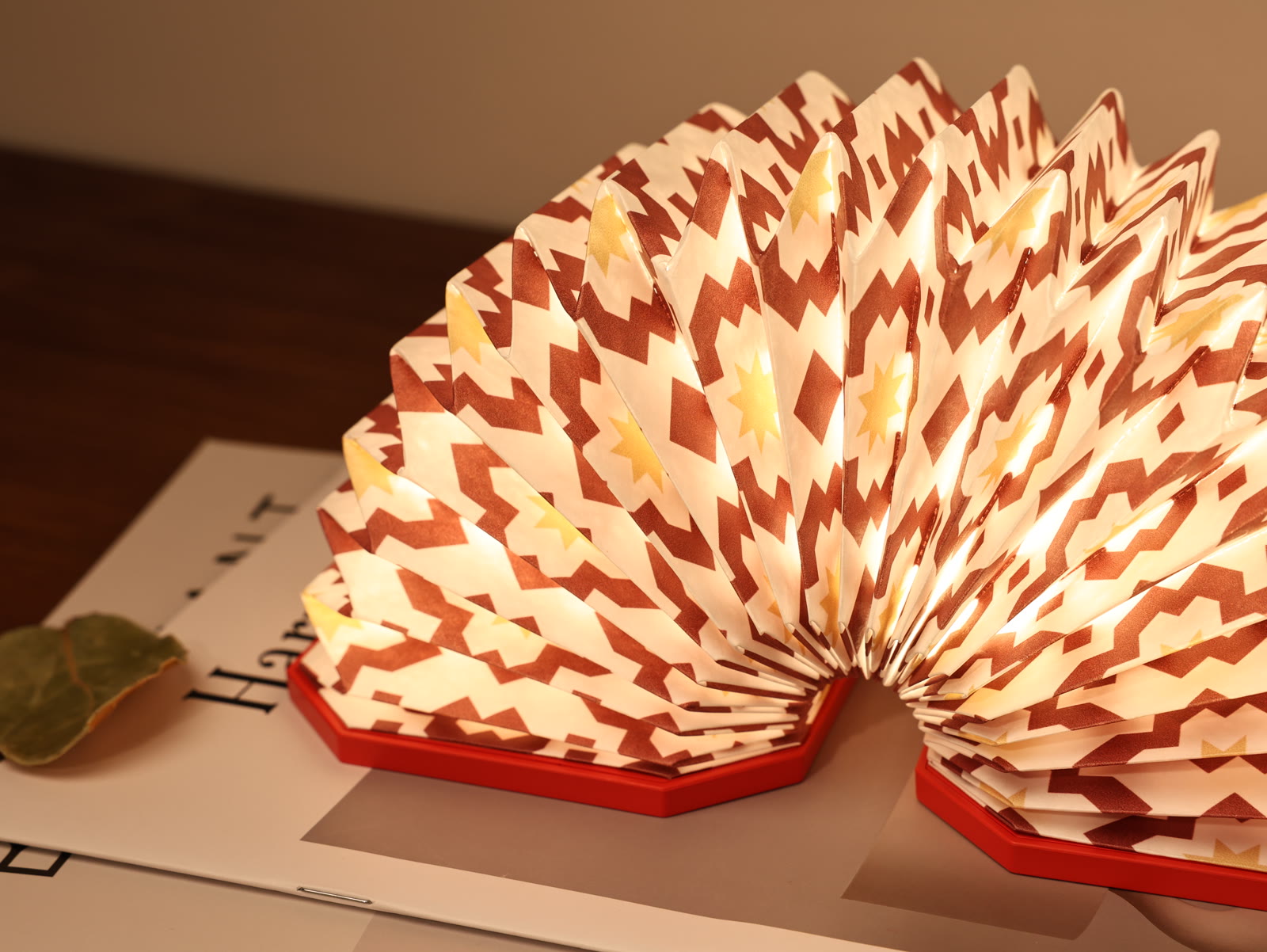 Radial pleats should fan into a symmetrical arch with uniform tension between both rigid end panels.
Checking Magnetic Hinge Hold and Cover Alignment
Weak magnets are the number-one consumer complaint on book lamps and pocket folding lights. A lamp that refuses to stay open in a full 360-degree circle—or pops apart when hung by its lanyard—triggers immediate negative reviews.
Run three quick magnetic checks on your sample:
- Inverted 360-degree shake: Fold the covers completely back-to-back, turn the lamp upside down, and shake firmly for five seconds. Properly sized N35 or N52 neodymium magnets embedded flush beneath FSC wood veneer or ABS end caps will not slip.
- Closed-book snap alignment: Let the covers close naturally from a 30-degree angle. Both cover edges must align within 0.5 mm; skewed edges mean the factory hand-glued magnet pockets without a CNC jig.
- Magnet bulge and finish check: Run your fingertips across the outer wood or printed cover. Visible dimples or raised rings indicate overly thin veneer or shallow routing that will crack during dry winter shipping.
Verifying Cover Bonding, Port Strain, and 100% Burn-In
Ocean freight exposes cartons to 60–85% relative humidity and container temperatures above 45°C. Leave your sample in a steamy bathroom or warm humid chamber for 24 hours, then gently tug the first and last pleats away from the end covers.
Factories cutting corners use standard EVA hot-melt glue, which softens in heat and releases cleanly from smooth wood or matte ABS. At ZM Paper Lamp, we bond our Tyvek shades with moisture-resistant industrial adhesives and verify hinge alignment across our 8 specialized production lines.
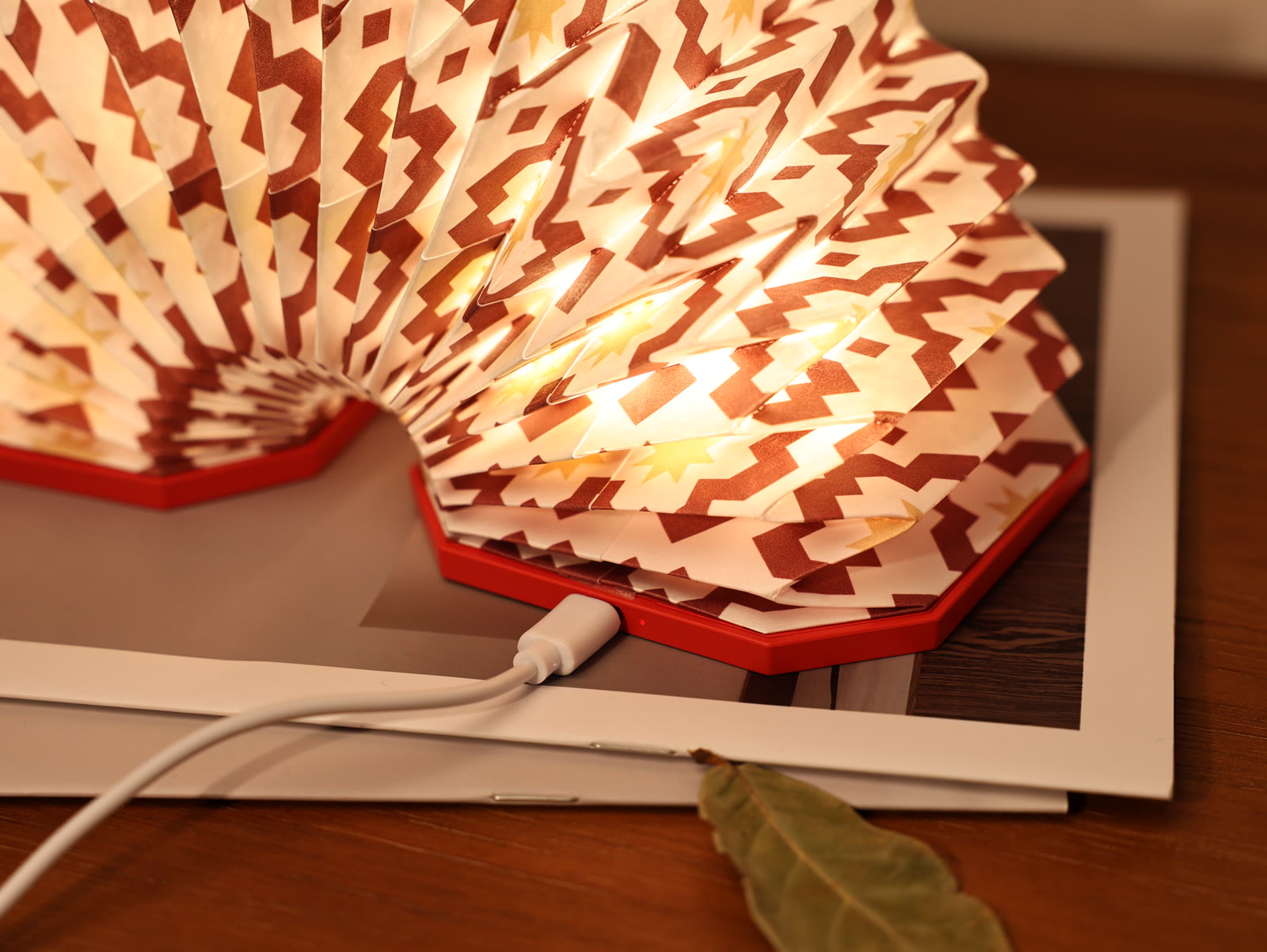 Inspect the USB-C charging port seated in the end panel for flush alignment and zero inward flex during cable insertion.
Finally, plug and unplug a standard USB-C cable 20 times while applying light side pressure. The port should never push inward into the cover cavity, and the touch switch should cycle brightness modes cleanly without flicker.
Before approving bulk production, require factory 100% burn-in aging records and battery-capacity verification rather than relying on random spot checks. Every lamp leaving our Huizhou facility completes full burn-in testing and structural inspection before export packing.
Related Guides
- Tyvek vs coated paper shade durability comparison
- How to verify a direct origami lamp factory
- Retail box styles for shipping folding paper lamps
Ready to Test Golden Samples Before Mass Production?
We would love to send you a golden sample evaluation kit from ZM Paper Lamp (zmpaperlamp.com) complete with our tear-resistant Tyvek shade swatches, ISO 9001 pre-shipment QC checklist, and 100% LED burn-in test records. Our 8 R&D specialists and 10+ designers can even turn around custom 3D structural prototypes in 1 to 3 days.
Submit your project specs through our online RFQ form, email Sales Director Mrs. Vivian Li directly at [email protected], or message our team on WhatsApp at 008615019495855 to compare sample options and factory-direct pricing.
Frequently Asked Procurement Questions
How many full opening and closing cycles should a folding paper lamp sample survive without pleat tearing?
A spunbond Tyvek shade should survive at least 2,000 full 360-degree cycles without edge tearing or crease whitening. Coated specialty paper shades typically show crease fatigue after 200 to 400 cycles and suit lighter seasonal use.
How do I verify magnetic cover strength on a wood book lamp or compact folding lamp sample?
Open the lamp 360 degrees until both covers snap together, then invert it and shake gently for five seconds. Embedded N35 or N52 neodymium magnets should hold the full shade weight without slipping or springing open.
What causes uneven light diffusion or misaligned creases in Tyvek and specialty paper shades?
Uneven glow usually comes from inconsistent paper GSM, scorched laser-cut edges, or off-center LED strips inside the spine. Misaligned pleats point to rushed hand-folding instead of precision die-scored tooling.
Which adhesive and cover-to-shade bonding checks prevent delamination during humid transit?
Place a sample in a warm, humid bathroom or 40°C / 80% RH chamber for 24 hours, then pull the outer pleat at a 90-degree angle. Moisture-resistant PUR or industrial PVA adhesives stay bonded, whereas cheap EVA hot-melt peels cleanly off wood veneer.
How should buyers pair sample durability tests with factory 100% LED burn-in and battery checks?
Run mechanical fold, magnet, and port-strain tests on your golden sample, then lock those tolerances into your pre-shipment AQL 2.5 sheet. Pair that with factory 100% burn-in aging and battery-capacity logs before balance payment.